Finding the right mobile phone at the best price in Pakistan can feel like a treasure hunt. You scroll through endless websites, compare specs, and wonder if that deal is too good to be true. Knowing where to look and what factors influence prices helps you make a smart choice. This guide will walk you through everything you need to know about mobile price in Pakistan, from brands and features to where to find the best deals, ensuring you get the most value for your money.
Key Takeaways
- Discover the main factors affecting mobile prices in Pakistan.
- Learn about popular mobile brands and their typical price ranges.
- Understand how specifications impact the cost of a smartphone.
- Find tips for getting the best deals on mobile phones.
- Explore online and offline channels for purchasing mobile devices.
- Learn about the impact of import duties and taxes on prices.
Navigating Mobile Price in Pakistan
The cost of a mobile phone in Pakistan is a dynamic landscape, influenced by a variety of elements. Understanding these factors is key to making an informed purchase. It’s not just about the brand or the model; many other things play a significant role.
Factors Influencing Mobile Prices
Several key elements contribute to the final price tag of a mobile phone. These can range from the inherent quality of the device to external economic forces.
- Brand Reputation and Market Position
Brands that have established a strong presence and reputation for quality often command higher prices. Companies like Apple and Samsung, for example, are known for their premium build quality, advanced features, and extensive research and development. This perceived value translates into higher retail prices. Consumers often associate these brands with reliability and cutting-edge technology, making them willing to pay a premium. Smaller or newer brands might offer competitive features at a lower cost to gain market share, but they may not have the same long-term brand loyalty or resale value. The perception of quality and innovation directly impacts how much a consumer is willing to spend.
- Specifications and Features
The internal hardware and software capabilities of a phone are primary drivers of its cost. Higher specifications mean more advanced technology, which is more expensive to produce.
- Processor A powerful processor allows for faster performance, better multitasking, and smoother gaming. Processors like Qualcomm Snapdragon 8 Gen series or Apple’s A-series chips are top-tier and add significantly to the cost.
- RAM More RAM (Random Access Memory) enables the phone to run more apps simultaneously without slowing down. 6GB or 8GB of RAM is common in mid-range phones, while 12GB or more is found in high-end devices.
- Storage Capacity The amount of internal storage (e.g., 128GB, 256GB, 512GB) affects how many apps, photos, and videos you can store. Larger storage options increase the price.
- Camera System Advanced camera setups with multiple lenses (wide, ultrawide, telephoto), high megapixel counts, and superior low-light performance are costly additions. Features like optical image stabilization (OIS) and advanced AI processing also drive up the price.
- Display Technology OLED or AMOLED displays offer vibrant colors and deeper blacks compared to standard LCD panels and are generally more expensive. Higher refresh rates (e.g., 120Hz) also contribute to a smoother visual experience but add to the cost.
- Battery Life and Charging Large battery capacities and fast-charging capabilities (wired or wireless) are desirable features that can increase manufacturing costs.
- Build Materials Premium materials like aluminum, stainless steel, or ceramic, along with water and dust resistance ratings (e.g., IP68), add to the overall cost of the device.
These components are not only expensive to source but also require more sophisticated manufacturing processes. The integration of these high-performance parts into a compact device presents engineering challenges that further add to the production cost.
- Import Duties and Taxes
Government policies play a crucial role in determining the final retail price. Pakistan imposes import duties and taxes on electronics, including mobile phones. These taxes are applied at the customs stage and can significantly increase the price of imported devices. The specific rates can change based on government budgets and trade agreements. For instance, if the government decides to increase taxes on imported smartphones to promote local manufacturing or increase revenue, consumers will directly feel this impact. These duties are often a percentage of the value of the imported goods, meaning more expensive phones will incur higher absolute tax amounts. Fluctuations in currency exchange rates also affect the landed cost of imported goods. When the Pakistani Rupee weakens against major currencies like the US Dollar, imported items become more expensive, which in turn raises mobile prices. This is a major reason why mobile prices can change even without any changes in the manufacturer’s pricing.
- Market Demand and Availability
The principle of supply and demand also affects mobile phone prices. If a particular model is highly sought after and its supply is limited, its price may increase. Conversely, if a model is not popular or if there is an oversupply, prices might drop. New model releases can also influence prices of older models. When a new flagship phone is launched, the prices of its predecessors often decrease to make way for the new inventory. Similarly, seasonal sales or promotional events by retailers can lead to temporary price reductions. The demand for certain features, like 5G connectivity or advanced camera capabilities, can also create a surge in demand for phones offering them, potentially driving up their prices.
Example Scenario: Impact of Import Duties
Imagine a popular smartphone model costs $500 internationally. If Pakistan imposes a 20% import duty, the cost before local taxes and retailer margins becomes $500 + ($500 * 0.20) = $600. This $100 increase solely due to import duties directly translates to a higher price for the consumer in Pakistan compared to markets with lower or no such duties. This is a significant factor in understanding the discrepancies in global pricing.
Popular Mobile Brands and Their Price Segments
The Pakistani market features a wide array of mobile brands, each catering to different budget segments and consumer preferences. Understanding these brands and their typical price points can help narrow down choices.
Budget-Friendly Options
For consumers on a tight budget, several brands offer reliable smartphones with essential features. These devices are perfect for basic communication, social media, and light internet browsing.
- Xiaomi (Redmi series)
Xiaomi’s Redmi series is renowned for offering excellent value for money. These phones often pack features typically found in more expensive devices at a much lower price point. You can find smartphones with decent cameras, good battery life, and capable processors within the budget segment. For instance, a Redmi 12C or a similar model might offer a large display, a capable MediaTek Helio G-series processor, and a 50MP primary camera, making it a strong contender for budget-conscious buyers. These devices are engineered to provide the most common user needs without unnecessary premium features.
- Realme
Realme has quickly established itself as a strong competitor in the budget and mid-range segments. They often focus on stylish designs, fast charging capabilities, and good performance for the price. Models like the Realme C series or the lower-end Narzo series are popular choices, providing a good balance of features and affordability. A Realme C53, for example, might boast a slim design, a bright display, and a decent camera system, all while remaining very affordable. They aim to disrupt the market by offering competitive specs that appeal to younger demographics.
Mid-Range Market
The mid-range segment is where most consumers find their sweet spot, offering a good blend of performance, features, and price. These phones can handle most daily tasks with ease, including moderate gaming and photography.
- Samsung (Galaxy A series)
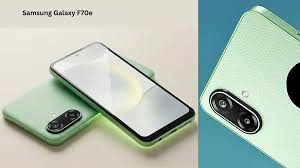
Samsung’s Galaxy A series is a popular choice for mid-range buyers. It offers a wide variety of models, from entry-level to more feature-rich options that approach flagship levels. These phones usually come with good displays, capable camera systems, and reliable performance. A Samsung Galaxy A54, for instance, might feature an AMOLED display with a high refresh rate, a versatile triple-camera setup, and good software support, making it a solid all-rounder. Samsung also ensures a familiar user interface and a strong ecosystem of accessories.
- Infinix and Tecno
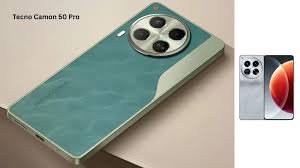
These brands have gained significant traction in Pakistan by focusing on aggressive pricing and offering competitive features, particularly in the mid-range and budget segments. They often emphasize large displays, high battery capacities, and decent camera performance. Models like the Infinix Hot series or Tecno Spark series provide smartphones with features that punch above their weight class, making them attractive options for a wide audience looking for good value. They are known for their focus on battery life and display size, catering to users who consume a lot of media.
Premium and Flagship Devices
For those who seek the best in mobile technology, the premium segment offers devices with cutting-edge features, superior performance, and high-end build quality.
- Apple (iPhone)
iPhones are synonymous with premium quality, user experience, and strong resale value. While they come with a higher price tag, they offer unparalleled performance, excellent camera quality, and a seamless ecosystem. Models like the iPhone 14 or iPhone 15 series represent the pinnacle of Apple’s smartphone offerings. They are known for their powerful A-series chips, sophisticated camera systems, and intuitive iOS operating system, providing a premium user experience that justifies the cost for many.
- Samsung (Galaxy S series and Foldables)
Samsung’s Galaxy S series, such as the S23 or S24, are their flagship Android smartphones, competing directly with iPhones. They offer top-tier processors, advanced camera systems, stunning displays, and premium build materials. Samsung also leads in the foldable phone market with its Galaxy Z Fold and Z Flip series, offering innovative form factors and cutting-edge technology at a premium price point. These devices showcase the latest advancements in display technology and mobile engineering.
Understanding Mobile Specifications and Their Cost Impact
The technical specifications of a smartphone are direct indicators of its capabilities and, consequently, its price. Each component contributes to the overall performance and user experience, and upgrading these components typically results in a higher cost.
Processor Power
The processor, or System on a Chip (SoC), is the brain of the smartphone. Higher-end processors are built using more advanced manufacturing processes, incorporate more powerful cores, and often include specialized co-processors for AI and graphics.
- High-End Processors (e.g., Qualcomm Snapdragon 8 Gen 2/3, Apple A16/A17 Bionic)
These processors are designed for maximum performance, enabling seamless multitasking, high-fidelity gaming, and rapid processing of complex tasks like high-resolution video editing. They utilize the latest chip manufacturing technology, such as 4nm or 3nm processes, which allow for greater transistor density, improved power efficiency, and faster clock speeds. The research and development costs for these chips are immense, and their performance advantage directly translates to a higher price for the devices that feature them. For example, a smartphone powered by the latest Snapdragon flagship chip will naturally be more expensive than one with a mid-range processor due to the superior speed, graphical capabilities, and overall efficiency.
- Mid-Range Processors (e.g., Qualcomm Snapdragon 7 series, MediaTek Dimensity 1000 series)
These processors offer a good balance between performance and price. They can handle most daily tasks smoothly, including moderate gaming and multitasking. They are typically built on slightly older but still efficient manufacturing processes and offer a substantial performance upgrade over entry-level chips without the premium cost of the absolute top-tier.
- Entry-Level Processors (e.g., Qualcomm Snapdragon 4 series, MediaTek Helio G series)
These processors are designed for basic functionality and efficiency. They are suitable for everyday tasks like making calls, sending messages, browsing the web, and using social media apps. While they are cost-effective, they may struggle with demanding applications or heavy multitasking.
Memory and Storage
RAM (Random Access Memory) and internal storage are critical for a phone’s responsiveness and capacity.
- RAM (Random Access Memory)
RAM is where your phone stores temporary data for apps that are currently running. The more RAM a phone has, the more apps it can keep open and ready to use without needing to reload them. For instance, having 12GB of RAM allows you to switch between dozens of apps seamlessly, whereas a phone with 4GB of RAM might close background apps more frequently. High-capacity RAM modules (e.g., 12GB, 16GB) are more expensive to manufacture and integrate into a device, thus increasing the phone’s price. Modern RAM technologies like LPDDR5X offer higher speeds and better power efficiency, also contributing to higher costs.
- Storage Capacity
This refers to the internal space available for your operating system, apps, photos, videos, and other files. Storage is typically measured in gigabytes (GB) or terabytes (TB). A phone with 256GB of storage will cost more than an identical model with 128GB because the cost of flash memory chips increases with capacity. The type of storage also matters; UFS (Universal Flash Storage) 3.1 or 4.0 offer significantly faster read/write speeds than older eMMC storage, leading to quicker app loading times and file transfers, and these faster storage solutions are more expensive.
Camera Capabilities
The camera system is a major selling point for many smartphones, and advanced camera technology comes with a premium.
- High-Resolution Sensors and Multiple Lenses
A smartphone camera’s performance is determined by its sensor size, aperture, megapixel count, and the number and type of lenses. High-resolution sensors (e.g., 108MP, 200MP) capture more detail, allowing for significant cropping or large prints. Multiple lenses, such as ultrawide for landscapes, telephoto for zoom, and macro for close-ups, provide versatility. Features like optical image stabilization (OIS) prevent blur from hand shake, while large apertures (e.g., f/1.5) allow more light for better low-light performance. These advanced components, along with complex image processing software, significantly increase manufacturing costs.
- AI and Computational Photography
Modern smartphone cameras rely heavily on Artificial Intelligence (AI) and computational photography to enhance images. AI algorithms can perform tasks like scene recognition, automatic beautification, night mode processing, and portrait mode effects (simulating depth of field). Developing and implementing these sophisticated AI capabilities requires significant investment in software engineering and specialized hardware (like NPUs – Neural Processing Units – often integrated within the SoC). The processing power required for real-time AI image enhancement also adds to the overall cost.
Display Quality
The screen is your primary interaction point with your phone, and display technology significantly impacts user experience and price.
- OLED vs. LCD Technology
OLED (Organic Light-Emitting Diode) displays are generally more expensive to produce than traditional LCD (Liquid Crystal Display) panels. OLED screens offer superior contrast ratios, deeper blacks (as each pixel can be turned off individually), more vibrant colors, and better power efficiency, especially when displaying dark content. This advanced technology allows for thinner display designs and features like always-on displays, which is why phones with OLED or AMOLED screens are typically priced higher than those with LCDs.
- Refresh Rate and Resolution
Higher refresh rates, such as 90Hz, 120Hz, or even 144Hz, make on-screen motion appear much smoother and more fluid, which is especially noticeable when scrolling or gaming. Increasing the refresh rate requires more powerful hardware and consumes more battery. Similarly, higher resolutions like QHD+ (Quad High Definition) provide sharper images and text compared to FHD+ (Full High Definition). The manufacturing of displays with these advanced capabilities, along with the necessary processing power to drive them, contributes to the overall device cost.
Build Materials and Durability
The materials used in constructing a phone’s body and its resistance to environmental factors also influence its price.
- Premium Materials (e.g., Aluminum, Stainless Steel, Ceramic, Gorilla Glass Victus)
Using materials like aerospace-grade aluminum, polished stainless steel, or advanced ceramics for the frame and back panel not only makes a phone feel more premium but also increases its cost. These materials are more durable, lighter, and offer a better tactile experience than basic plastic. The use of toughened glass, such as Corning Gorilla Glass Victus or Victus 2, on both the front and back provides superior scratch and drop resistance, adding to the manufacturing expense.
- Water and Dust Resistance Ratings (e.g., IP67, IP68)
Achieving high levels of water and dust resistance requires precise engineering and specialized sealing techniques. Applying IP ratings (Ingress Protection) involves designing devices with gaskets, membranes, and sealed ports to prevent liquids and particles from entering. The rigorous testing required to certify these ratings and the added complexity in manufacturing contribute to a higher product cost. For example, an IP68 rating means the device can withstand submersion in water deeper than 1 meter for a specified time, a feature not found in most budget phones.
Tips for Finding the Best Mobile Price in Pakistan
Securing a great deal on a mobile phone requires a strategic approach. By employing smart shopping tactics, you can maximize your savings without compromising on quality or features.
- Compare Prices Across Retailers
Never settle for the first price you see. Prices for the same mobile model can vary significantly between different retailers, both online and offline. Take the time to compare offers from major electronics stores, official brand outlets, and reputable online marketplaces. Sometimes, smaller, less prominent retailers might offer discounts to attract customers. It’s also wise to check prices on platforms like OLX or PakWheels for used or refurbished devices if you’re comfortable with that option, but always verify the condition and seller reputation. A few minutes of comparison shopping can save you a considerable amount.
- Look for Sales and Discounts
Many retailers and brands offer seasonal sales, festival discounts, or special promotions. Keep an eye out for events like Black Friday, Eid sales, or anniversary sales where mobile phones are often heavily discounted. Signing up for newsletters from your favorite electronics stores can alert you to upcoming sales. Following brands and retailers on social media can also provide early access to information about flash sales or limited-time offers. These promotional periods are ideal for purchasing a new device at a lower cost.
- Consider Buying During New Model Launches
When a new generation of a smartphone is launched, the prices of the older models typically drop. This is a great opportunity to buy a high-quality phone from the previous year at a significantly reduced price. For example, when the iPhone 15 series was released, prices for the iPhone 13 and 14 models saw a reduction. This strategy allows you to get a device that is still very capable and modern for less money. Retailers are eager to clear out old inventory to make space for new stock.
- Explore Refurbished or Used Options
For extreme budget savings, consider purchasing refurbished or used mobile phones. Refurbished devices are typically pre-owned phones that have been inspected, repaired (if necessary), and restored to full working condition by the manufacturer or a certified third party. They often come with a limited warranty and offer significant savings. Used phones, purchased from individuals, can offer even greater discounts, but it’s crucial to thoroughly inspect the device and ensure it’s in good working order, checking for any damage, battery health, and ensuring it’s not blacklisted. Platforms like OLX are popular for such purchases, but caution is advised.
Scenario: Smart Shopping for a Mid-Range Phone
Suppose you want to buy a Samsung Galaxy A54.
- Retailer A offers it for PKR 95,000.
- Online Store B lists it for PKR 92,500 with free delivery.
- During a weekend sale, Retailer C advertises it for PKR 90,000.
By comparing these options, you can save PKR 5,000 by choosing Retailer C. If a new model like the A55 is about to launch, you might even find the A54 discounted further, perhaps to PKR 85,000 or less from some sellers to clear stock.
Online vs. Offline Mobile Shopping in Pakistan
The choice between shopping online or in a physical store depends on your priorities, such as convenience, price, and the ability to physically inspect the product.
Online Shopping Platforms
Online shopping offers unparalleled convenience and often the best prices due to lower overhead costs for e-commerce businesses.
- Major E-commerce Websites
Websites like Daraz.pk are the go-to platforms for online shopping in Pakistan. They host numerous sellers, allowing for price comparisons and access to a wide range of mobile phones, from budget-friendly options to premium flagships. These platforms often have buyer protection policies, making online purchases relatively safe. They frequently run their own sales events, offering discounts and bundle deals. The availability of customer reviews also helps in making informed decisions about product quality and seller reliability.
- Official Brand Websites and Authorized Dealers
Many mobile brands have their own official websites or work with authorized online dealers. Purchasing directly from these sources ensures authenticity and often provides access to exclusive offers or the latest models immediately upon release. For instance, buying directly from Samsung Pakistan’s website or an authorized online partner guarantees you receive a genuine product with a valid warranty. These channels are also reliable for pre-orders and special edition releases.
- Classifieds and Second-Hand Platforms
Platforms like OLX and PakWheels are popular for buying and selling used or refurbished items, including mobile phones. While prices can be very competitive, it’s essential to exercise caution. Always meet sellers in a public place, thoroughly inspect the phone before making payment, and be wary of deals that seem too good to be true. Checking the phone’s IMEI number online can help confirm if it’s stolen or blacklisted.
Physical Retail Stores
Brick-and-mortar stores offer a different set of advantages, primarily the ability to see and touch the product before buying.
- Authorized Brand Outlets
Visiting official brand stores (e.g., Apple Store, Samsung Experience Store) allows you to experience the devices firsthand. Staff are usually knowledgeable about the products and can provide demonstrations and answer detailed questions. These outlets guarantee genuine products and offer reliable warranty support. While prices might be standard, the assurance of authenticity and expert advice is invaluable for many shoppers.
- Multi-Brand Electronics Stores
Large electronics retailers often carry a wide selection of mobile phones from various brands. These stores provide a convenient way to compare different models side-by-side. They may also offer bundled deals, such as discounts on accessories or extended warranties, that aren’t available online. Staff in these stores can often provide helpful comparisons between different brands and models based on your needs. Examples include consumer electronics chains or large department stores with electronics sections.
- Local Mobile Markets
Every city has local markets where numerous mobile shops are concentrated. These markets can offer competitive pricing due to high competition among sellers. However, authenticity and warranty can be a concern, so it’s crucial to buy from reputable shops with established track records. Always ask for a proper invoice and warranty card. Prices in these markets can sometimes be negotiated, especially for older models or if you are buying multiple items.
Understanding the Impact of the Dollar Rate on Mobile Prices
The exchange rate of the Pakistani Rupee (PKR) against the US Dollar (USD) is one of the most significant factors influencing the cost of mobile phones in Pakistan.
Currency Fluctuation and Import Costs
Most mobile phones sold in Pakistan are imported, either as finished goods or as components for local assembly. When the Pakistani Rupee depreciates against the US Dollar, the cost of importing these phones or their parts increases.
- Dollar Value and Import Expenses
For instance, if a company imports 1,000 phones that cost $300 each, the total international cost is $300,000. If the exchange rate is PKR 200 per USD, this translates to PKR 60,000,000. However, if the Rupee depreciates to PKR 300 per USD, the same $300,000 import bill now costs PKR 90,000,000. This massive increase in the cost of acquiring the goods has to be absorbed, either by the importer, the retailer, or the consumer. Typically, a significant portion is passed on to the consumer in the form of higher retail prices. This direct correlation means that any significant shift in the PKR-USD exchange rate will almost immediately reflect in the mobile price in Pakistan.
- Impact on Different Price Segments
The impact of currency fluctuations is felt across all price segments, but it disproportionately affects imported high-end devices. While a 10% depreciation might add PKR 5,000 to a budget phone, it could add PKR 20,000 or more to a flagship device, making the premium segment even more expensive. Companies often have to make difficult decisions, sometimes delaying new model releases or adjusting their pricing strategies frequently to cope with the volatility. This unpredictability makes long-term price forecasting challenging for both businesses and consumers.
Statistics on Currency Impact
A report by the Pakistan Telecommunication Authority (PTA) or industry analysis firms often highlights how exchange rate volatility impacts mobile phone sales and prices. For example, in periods of rapid currency depreciation, industry reports have shown a slowdown in the sales of high-end smartphones as consumers opt for more affordable alternatives or postpone their purchases. Statistics from major market research firms indicate that a 5% depreciation in the PKR against the USD can lead to a 2-3% increase in the retail price of imported mobile phones within a month.
Common Myths Debunked
There are several misconceptions surrounding mobile phone prices and purchases that can lead consumers to make less-than-ideal decisions. Addressing these myths can help you shop smarter.
Myth 1: All iPhones Are Dramatically More Expensive Than Androids
The Reality
While Apple’s iPhones generally occupy the premium segment with higher starting prices, the cost gap is narrowing. Many Android phones, especially flagships from Samsung, Google, and others, now command prices comparable to or even exceeding those of iPhones. Furthermore, older iPhone models, when discounted or bought refurbished, can be significantly more affordable than current high-end Android devices. The perceived universal price disparity is often an oversimplification; the specific model, age, and sale promotions are more critical factors.
Myth 2: Buying Directly from Brand Stores is Always the Most Expensive Option
The Reality
Brand stores offer guaranteed authenticity, official warranties, and often excellent customer service, which can be well worth the standard or slightly higher price for many. While it’s true that third-party retailers might offer competitive discounts, they don’t always. Moreover, brand stores frequently have their own promotions, bundle deals, or exclusive payment offers that can make their prices very competitive, especially during specific sales events. It’s always wise to check the brand’s official pricing and compare it before assuming it’s the most expensive.
Myth 3: Higher Megapixel Count Always Means a Better Camera
The Reality
Megapixels measure the number of pixels a camera sensor has, affecting the detail and potential for cropping. However, other factors are far more crucial for overall image quality. These include sensor size (larger sensors capture more light), aperture (wider apertures let in more light for better low-light performance), image processing software, optical image stabilization (OIS), and lens quality. A phone with a 12MP camera and a large sensor and good aperture might produce superior photos in various conditions compared to a 108MP camera with a smaller sensor and a narrow aperture.
Myth 4: Online Prices Are Always the Lowest
The Reality
While online retailers often have lower overheads and can offer competitive prices, this isn’t universally true. Local markets and independent retailers sometimes offer significant discounts, especially for older models or as part of aggressive local sales strategies. Furthermore, the total cost of online purchases might increase due to shipping fees, while physical stores allow you to avoid these. It’s essential to compare prices across both online and offline channels, considering all associated costs and potential discounts.
Frequently Asked Questions
Question: What is the average price range for a good smartphone in Pakistan?
Answer: A good smartphone in Pakistan can range from PKR 30,000 for a capable budget device to over PKR 200,000 for a high-end flagship model. Mid-range phones, offering a balance of features and price, typically fall between PKR 50,000 and PKR 100,000.
Question: How does the dollar exchange rate affect mobile phone prices in Pakistan?
Answer: Since most mobile phones are imported, a stronger US dollar means higher import costs for companies. This increased cost is usually passed on to consumers, leading to higher mobile prices in Pakistan when the rupee depreciates.
Question: Are refurbished mobile phones a safe purchase in Pakistan?
Answer: Refurbished phones can be a safe and cost-effective option if purchased from reputable sellers or official brand outlets. They are usually tested and repaired and come with a warranty. However, buying from individual sellers requires careful inspection.
Question: Where can I find the latest mobile phone prices in Pakistan?
Answer: You can find updated mobile prices on major e-commerce websites like Daraz.pk, official brand websites, tech news portals, and reputable online mobile stores. Comparing prices across multiple platforms is recommended.
Question: What are the best brands for budget smartphones in Pakistan?
Answer: Brands like Xiaomi (Redmi series), Realme, Infinix, and Tecno are highly recommended for budget smartphones in Pakistan, as they offer good features and performance at affordable prices.
Conclusion
Understanding mobile price in Pakistan involves looking beyond just the model name. By considering factors like brand, specifications, import duties, and currency rates, you can better gauge what a fair price is. Always compare options across various retailers, watch for sales, and know that a little research goes a long way in securing the best device for your needs and budget.